Sunday, 30 March 2014

Film Classification Ratings - 12A and 12

What does the 12A symbol mean?
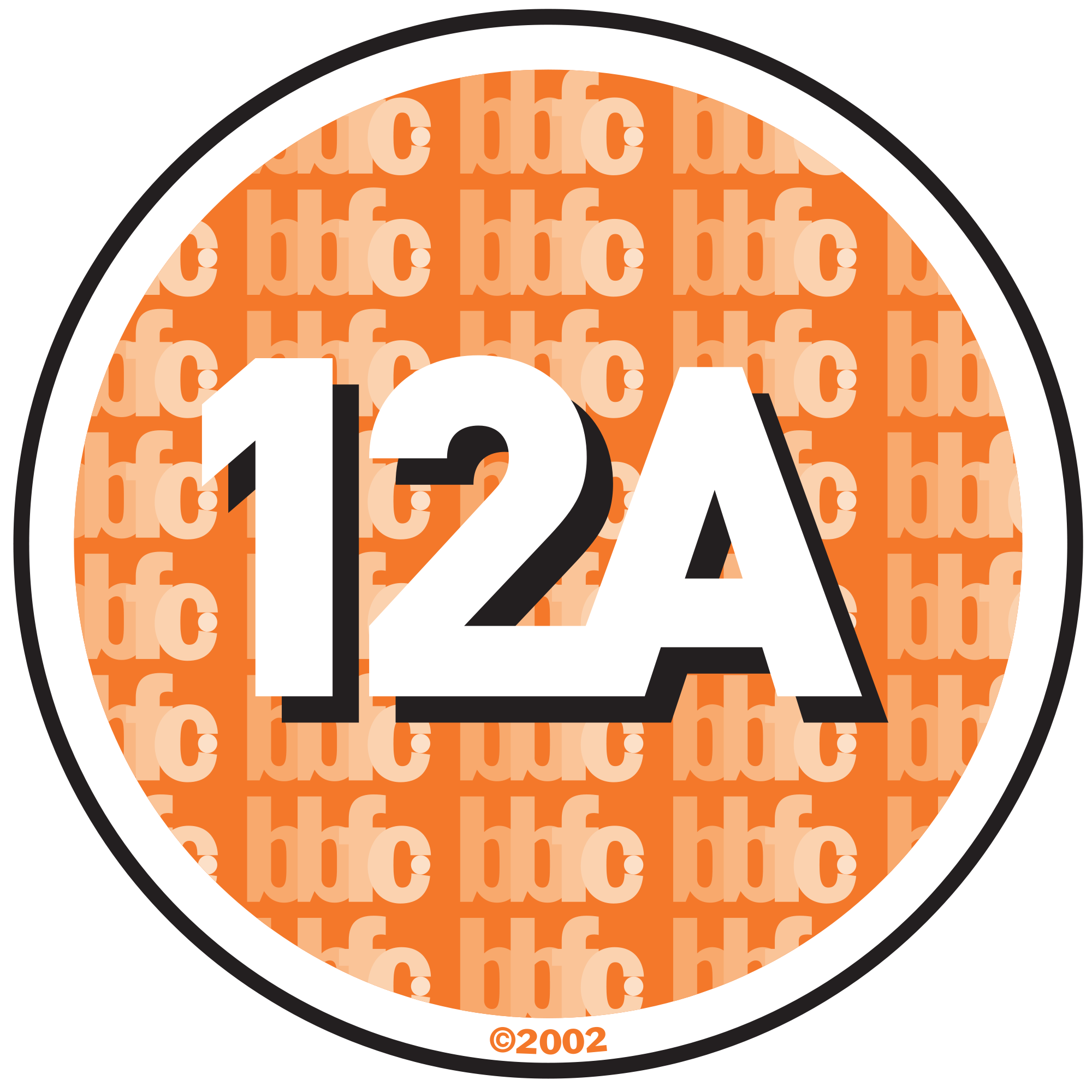
Films classified 12A and video works classified 12 contain material that is not generally suitable for children aged under 12. No one younger than 12 may see a 12A film in a cinema unless accompanied by an adult. Adults planning to take a child under 12 to view a 12A film should consider whether the film is suitable for that child. To help them decide, we recommend that they check the BBFCinsight for that film in advance.

What's the difference between 12A and 12?
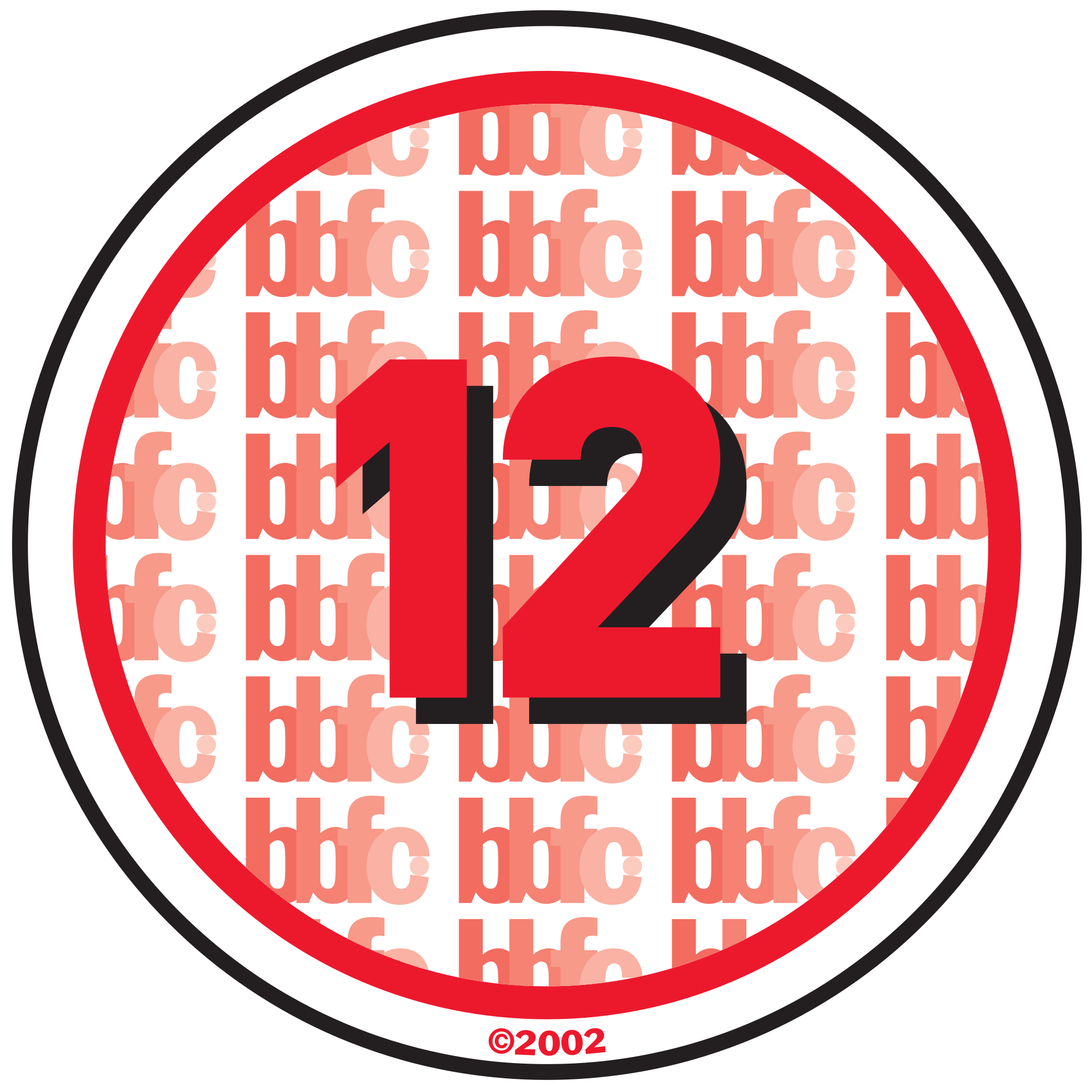
The 12A requires an adult to accompany any child under 12 seeing a 12A film at the cinema. This is enforced by cinema staff and a cinema may lose its license if adult accompaniment is not enforced for children under 12 admitted to a 12A film. Accompanied viewing cannot be enforced in the home, so the 12 certificate remains for DVD/Blu-ray, rather than the 12A. The 12 is also a simpler system for retailers. It means they cannot sell or rent the item unless the customer is over the age of 12.

Is there a lower age limit for a 12A film?

No. However, the BBFC considers the content of 12A rated films to be suitable for children aged 12 and over, and we would not recommend taking very young children to see them. Works classified at these categories may upset children under 12 or contain material which many parents will find unsuitable for them.
Adults planning to take a child under 12 to view a 12A film should consider whether the film is suitable for that child. To help adults make this decision, we provide BBFCinsight for all films.

How important is the tone of a film at 12A or 12?

The overall tone of a film or video, and the way it makes the audience feel may affect the classification. For example, a work which has a very dark or unsettling tone which could disturb the audience would be less likely to be passed 12A even if the individual issues in the film were considered acceptable under the BBFC Guidelines. Similarly, if a work is particularly positive or reassuring this may stop it being pushed up a category from 12A to 15.

Will there be uses of strong language in a 12A or 12 work?

The BBFC's Guidelines state that strong language (e.g. 'f***') may be passed at 12 or 12A, depending on the manner in which it is used, who is using the language, its frequency and any special contextual justification. Aggressive uses of strong language may result in a film or DVD being placed at the 15 category. There is some allowance for puns on strong language at this category.
There may be moderate language (e.g. uses of terms such as ‘bitch’ and ‘twat’ at 12 or 12A).

What about discrimination?

Any discriminatory language or behaviour will not be endorsed by the work as a whole. Aggressive discriminatory language (for example homophobic or racist terms) is unlikely to be passed at 12A or 12 unless it is clearly condemned.

Do 12A films contain sexual behaviour?

Sex may be briefly and discreetly portrayed at 12A or 12. Verbal sex references should not go beyond what is suitable for young teenagers. Comedy may lessen the impact of some moderate sex references or innuendo but frequent crude sex references are unlikely to be accepted at this category. There may be nudity in 12A films but nudity in a sexual context should only be brief and discreet.
Sex and sex references are treated the same irrespective of sexuality

What sort of violence can I expect in a 12A or 12?

At 12A, moderate violence is allowed but it should not dwell on detail. There should be no emphasis on injuries or blood, but occasional gory moments may be permitted if they can be justified by their context (for example brief sight of bloody injury in a medical drama).
Action sequences and weapons may be present at 12A or 12, and there may be long fight scenes or similar. Weapons which might be easily accessible to 12 year olds (such as knives) should not be glamorised in 12A and 12 works.
Sexual violence, such as scenes of rape or assault, may only be implied or briefly and discreetly indicated at 12A and 12. Such scenes must also have a strong contextual justification.

Can horror films be passed 12 or 12A?

Yes, some horror films are passed at this category. Moderate physical and psychological threat is permitted at 12A or 12A as long as horror sequences are not too frequent or sustained and the overall tone is not disturbing.

What about other issues like imitable behaviour or drugs at 12A or 12?

Dangerous behaviour (for example hanging and suicide) may be present in 12A or 12 works but will not dwell on detail which could be copied or present those activities in a manner that children are likely to copy.
Anti-social behaviour should not be endorsed.
There may be infrequent sight of drugs misuse in a 12A or a 12 but the portrayal should not be glamorised or provide instructional detail.

Film Classification Ratings - PG

What does PG mean?

PG stands for Parental Guidance. This means a film is suitable for general viewing, but some scenes may be unsuitable for young children. A PG film should not unsettle a child aged around eight or older. Parents should consider whether the content may upset younger, or more sensitive, children.

Are all PG films made for younger audiences?

No. Some films are given a PG certificate but have not been made with a young audience in mind. A recent example of a film mostly enjoyed by grown ups but passed PG would be Saving Mr. Banks. However, the certificate means that any issues in the work are appropriate for the majority of this age group and nothing should upset a child of eight or over.

What sort of themes are passed at PG?

A PG film will not contain any theme which is inappropriate for a child. PG works can explore challenging issues such as bullying, bereavement or racism.

Will there be bad language in a PG film?

There may be mild bad language (such as ‘shit’ or ‘son of a bitch’) in a PG film, but the context and delivery are always important. For example, if the language is used aggressively or if there is a great deal of bad language, a work may be passed at a higher category.

What about sex?

Sex references are unlikely unless they are undetailed and infrequent. In addition, if a child is unlikely to understand a reference, we may allow it at PG. Comedy can also often lessen the impact of sex references and innuendo.
Sex and sex references are treated the same irrespective of sexuality so there could be mild or undetailed references at PG.

What about violence or threat at PG?

Violence will usually be mild. There should be no detail of violence in a PG work, so while there might be some blood, we would not see how the injury was inflicted in strong detail. Violence is generally more acceptable in a historical, comedic or fantasy setting, because of the distancing that this provides. It isn’t uncommon for PG films to feature ‘roller-coaster’ action or set pieces, where the emphasis is clearly on the adventure or journey of the main characters rather than the detail of violence or fighting.
As far as threat and horror goes go, we allow some 'jump' moments and frightening sequences as long as they are not prolonged or intense.. Fantasy settings may again be a factor in the treatment of such content.

What about behaviour children might copy?

In a PG work, potentially dangerous or antisocial behaviour which young children are likely to copy, such as bullying, or playing with electricity, will not be condoned or seen to go unchallenged, especially if it comes across as safe or fun. Realistic or easily accessible weapons, such as knives, will not be glamorised or focused upon in a PG work. Smoking and drinking will not be promoted or glamorised and if child characters are seen smoking or drinking, there should be a clear message that this is bad. If drugs are mentioned or seen, a PG work should either represent them in an innocuous manner or emphasise that they are harmful.

Will there be any drugs in a PG?

There might be innocuous or passing references to illegal drugs or drugs misuse in a PG work, although there should be no strong focus on this. In addition drug references may be permissible if there is a clear anti-drugs or educational message likely to be understood by children eight or over.

Thursday, 27 March 2014

Film Classification Ratings - U

What is a U rated film?

The U symbol stands for Universal. A U film should be suitable for audiences aged four years and over. However, it is impossible to predict what might upset a particular child, especially at this lower end of the category range.

What about works for children younger than four?

We rate films and videos aimed at very young viewers, such as Chuggington or Tinga Tinga Tales, U. However, we give them special BBFCinsight stating they are ‘particularly suitable for pre-school children’. Films or videos with this BBFCinsight should raise no significant issues in terms of discrimination, drugs,, imitable behaviour, language, nudity, sex, threat or violence.

Will there be any bad language in a U film?

At U we only allow infrequent use of very mild bad language (e.g. ‘damn’ and ‘hell’).

Might U works contain any sexual behaviour?

Characters may be seen kissing or cuddling and there may be references to sexual behaviour. However, there will be no overt focus on sexual behaviour, language or innuendo.
Sex and sex references are treated the same irrespective of sexuality so there could be mild or undetailed references at U.

Is violence or threat permitted in a U film?

Violence will generally be very mild. A U film may include brief fight scenes or moments where characters are placed in danger. However, moments of emotional stress or threat will be quickly resolved and the outcome will be reassuring.
There may be brief scary scenes and moments where the characters are placed in danger. As with violence, however, these scenes will be balanced by reassuring elements, such as comic interludes or music.
‘Baddie’ characters may carry or use weapons, but there will be no emphasis on these. Child or ‘hero’ characters are unlikely to use any kind of weapon outside, for example, historical settings.

What about behaviour which children might copy?

Potentially dangerous or anti-social behaviour which young children may copy, must be clearly disapproved of.

What sorts of films are usually passed at U?

A U film can explore a wide rang of themes, as long as the treatment is appropriate for a young audience. This doesn’t mean that all films rated U are children’s films.
A children’s work at U will generally contain positive messages about loyalty, honesty and friendship, particularly amongst children. The film or video may well have a happy ending for the child and the overall tone should be one of reassurance.
U films are unlikely to contain discriminatory language or behaviour unless it is clearly disapproved of.

Will there be references to drugs?

At U there will not normally be references to illegal drugs or drugs misuse unless there is a very clear anti-drugs or educational message which will be understood by a younger audience.
Drugs references which are unlikely to register with young children and are brief or passing may occasionally be passed at U – for example a verbal reference to ‘the Opium wars’ in an historical documentary.

Sunday, 26 January 2014

Other media types that have inspired me - Part 2


Another good soundtrack in a movie for suspense is the soundtrack from Rear Window below is a selection of them and I feel they create a good atmosphere for the movie.


I have also researched actual acting and driving if I need a car, a great advert that I really like shows good manoeuvres and a type of style I would like to use in my film. It is an advert from Audi advertising the Manoeuvrability of the Audi R8 Spyder:


Little Shop of Horrors is a great film that has a suspenseful yet funny scene in where the plant actually phone’s up the woman and she comes to investigate. The music used in this is so simple yet so effective to scare the audience:


Lastly are two chase scenes. The first is from an independent film maker on YouTube. I believe he has created a great scene of two men with one chasing the other through the woods. The music, camera angles and general acting I think are very good and I would like to replicate this into my own film. The second scene is from a thriller called No Country for Old Men. This is a perfect scene in my opinion to replicate what I have in mind for my film, I am especially interested in the use of lighting in the dark. You cannot see fine details but you can definitely tell the story while also getting into the atmosphere from the film. I would like to use their techniques in my film especially the acting of hiding from each other and use of camera angles and lighting to create tension and suspense again.


Other media types that have inspired me - Part 1


Possibly one of the most important aspects of my thriller other than the camera work will be the music used. Without any music the video could be “awkward” and make it seem quickly done. Music can also help add emotion to a film, for example a romantic film can use nice romantic music to create that emotion for the viewer. For a horror thriller that I want to make, I need some type of music to create suspense and tension while also being able to tell the story. Here is a link to some music I feel really tell a story without the actual picture itself, it makes a suspenseful situation. This proves how useful a certain type of music can be if you use it in the right way. An absolutely perfect example of this is the theme song in Jaws, it is extremely suspenseful and portrays the power, patience and mystery of a Great White attacking its prey.


Another thing that I have been researching for my thriller is the use of car noises. Since a car will hopefully be a part of my thriller I would really like to create the majority of the tension through certain noises from the car in a chase after a man. Noises such as the engine revving, tire squealing, and braking noises. A link below of a Range Rover I believe makes a very good suspenseful sound.